Get Educated
When it costs more to move food
As fuel prices rise globally amid ongoing disruptions to energy markets, the cost of transporting fresh food is increasing.
Julia Desantis, Head of Sustainability
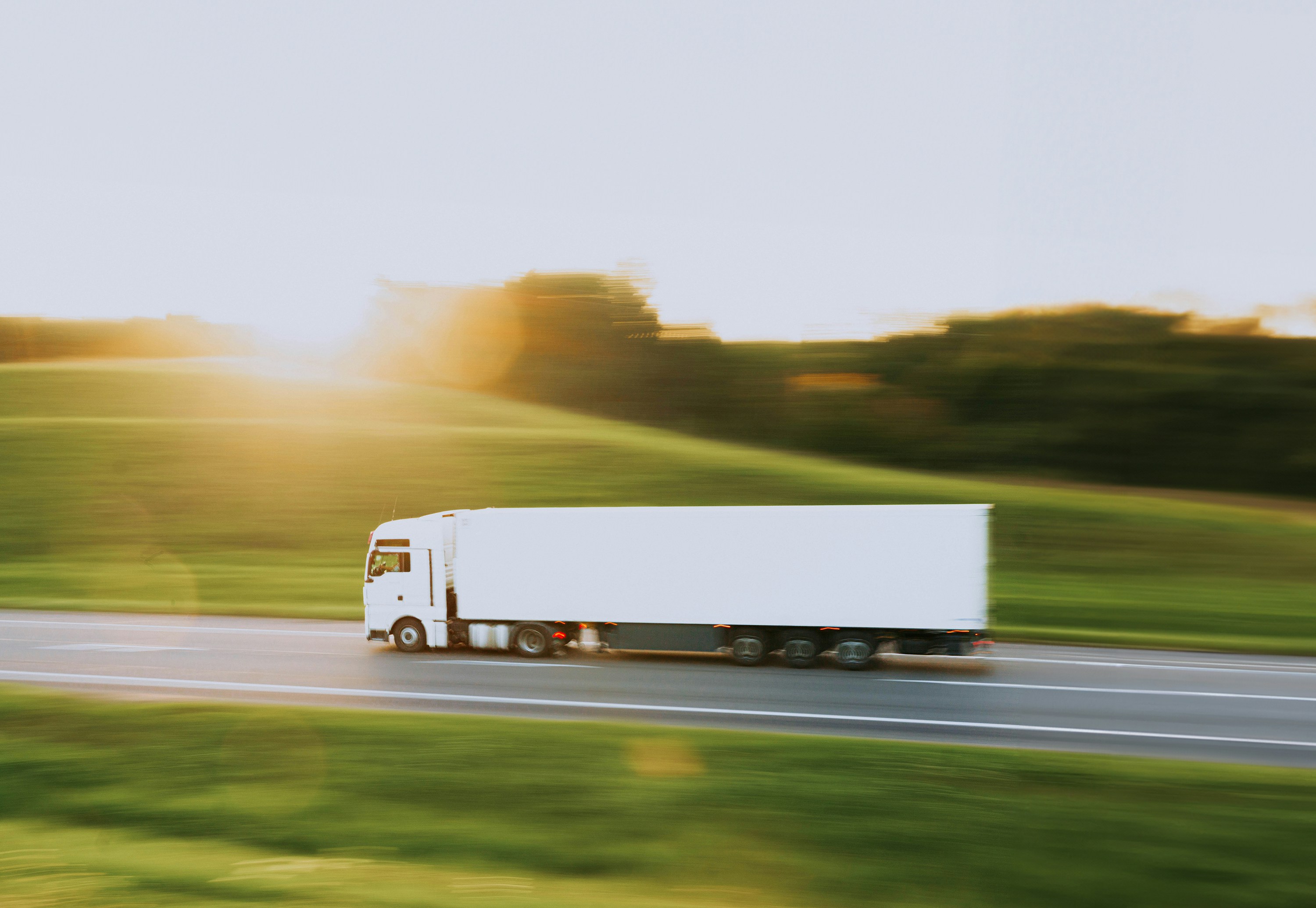
In recent weeks, it's become more and more expensive to move food.
As fuel prices rise globally amid ongoing disruptions to energy markets, the cost of transporting fresh food is increasing. When the cost of moving food increases, the effects don't stop at transportation.
Fuel is embedded across the whole food system — from farm equipment to fertilizer to freight — and research shows that increases in fuel prices lead to measurable increases in food prices. This is especially true for diesel, which underpins most food transportation. As these costs rise, they move through supply chains and eventually show up in the price people pay for food.
As groceries become more expensive, the need for reliable access to fresh food grows. Communities are navigating tighter budgets, and hunger fighting charities are seeing increased demand.
We saw a similar dynamic during the pandemic, when supply chain disruptions made it harder to deliver food and increased grocery store costs at the same time. What we are seeing now is a different trigger, but a familiar pattern — rising input costs shape both how food moves and what it costs.
Our job is to keep food moving no matter what. We're working closely with growers, distributors, and community partners to respond in real time as conditions change.
As long as energy markets remain volatile, the effects on how food moves and what it costs are likely to continue shifting. In moments like this, support makes a direct difference — allowing us to absorb rising costs and continue moving fresh food to food insecure communities across the country. As always, Farmlink will continue to show up, doing the work required to keep food moving to the people who need it most.
Rising fuel costs raise an important question: If moving food depends on fuel, what does that mean for the overall climate impact?
Our team measures and tracks both the emissions from transportation and the emissions avoided through food recovery.
Because food waste generates methane, a highly potent greenhouse gas, recovering food carries a significant climate benefit.
The emissions Farmlink avoids through food recovery are 80 times greater than the emissions generated from transportation.